Window Air Conditioner Trends and Innovations to Watch
Window air conditioners have long been a popular choice for cooling individual rooms efficiently and affordably. In recent years, several trends and innovations have emerged, transforming these devices into smarter, more energy-efficient, and environmentally friendly appliances. One notable development is the integration of smart technology. Modern window units increasingly come equipped with Wi-Fi connectivity, allowing users to control temperature settings remotely via smartphone apps or voice assistants like Alexa and Google Assistant. This feature not only enhances convenience but also helps optimize energy consumption by enabling precise adjustments based on occupancy or daily routines.
Energy efficiency remains a central focus in Window Air Conditioner design. Manufacturers are improving compressor technologies and refrigerants to reduce power usage without sacrificing cooling performance. The adoption of inverter compressors is gaining traction; these components adjust their speed dynamically rather than operating at a fixed rate, resulting in more consistent temperatures and lower electricity bills over time. Additionally, newer models often use eco-friendly refrigerants such as R32 instead of older ones like R22 that contribute more significantly to ozone depletion.
Another significant trend involves improved filtration systems aimed at enhancing indoor air quality. With growing awareness about allergens, pollutants, and airborne pathogens, many window ACs now incorporate advanced filters capable of trapping dust particles, bacteria, and even certain viruses. Some units also include ionizers or UV-C light technology to further purify the air circulating within the room.
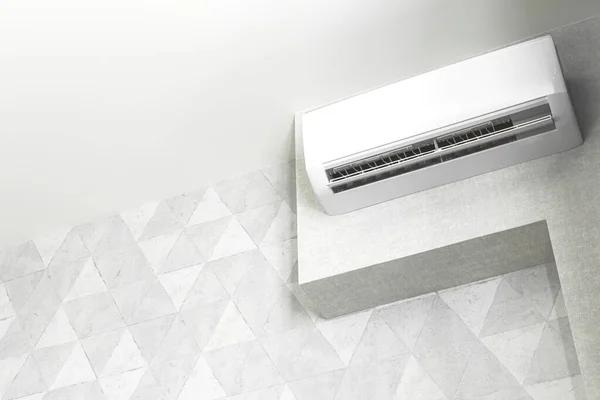
Design advancements are making window air conditioners less intrusive visually while maintaining functionality. Slimmer profiles allow easier installation in various types of windows without compromising structural integrity or aesthetic appeal. Noise reduction technologies are also being refined so that modern units operate quietly enough for bedrooms or home offices without causing disturbance.
Sustainability initiatives extend beyond just energy savings; manufacturers are focusing on recyclable materials in construction as well as packaging reductions to minimize environmental impact throughout the product lifecycle. Furthermore, some brands offer modular designs where key components can be replaced independently rather than discarding the entire unit when repairs are necessary.
Lastly, user experience improvements include intuitive digital displays with touch controls replacing traditional mechanical dials for greater precision and ease of use. Enhanced airflow distribution mechanisms ensure cool air reaches every corner efficiently while preventing cold spots commonly found in older models.
In summary, window air conditioners continue evolving through smart connectivity features, better energy efficiency via inverter compressors and greener refrigerants, advanced filtration systems promoting healthier indoor environments, quieter operation with sleek designs suited for modern homes alongside sustainability efforts focusing on material reuse and waste reduction-all contributing toward making these appliances more efficient and user-friendly than ever before.