Ways a Pressure Tank Enhances Overall Water System Performance
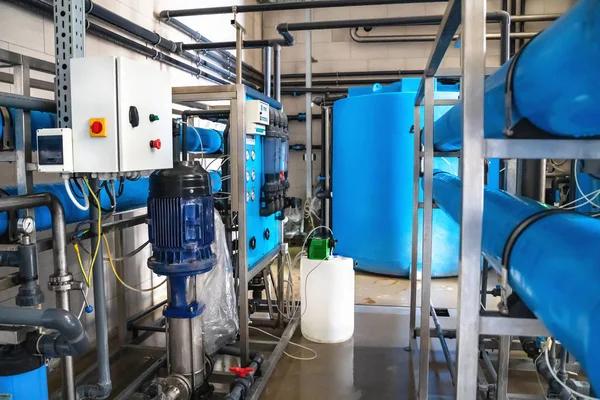
A pressure tank is an integral component in a water system, playing a crucial role in enhancing overall performance and efficiency. These tanks are designed to maintain consistent water pressure, store water, and reduce the wear and tear on your pump system. Here’s how a pressure tank enhances the performance of your water system.
Firstly, one of the primary functions of a pressure tank is to stabilize water pressure. Without it, fluctuations in water usage can lead to inconsistent pressures that affect everything from showering comfort to irrigation effectiveness. A well-functioning pressure tank maintains steady pressure levels by storing pressurized water that can be readily accessed when demand increases. This consistency ensures that all fixtures receive adequate flow without sudden drops or surges.
Furthermore, by maintaining stable pressures and providing immediate access to stored water, a pressure tank significantly reduces the cycling frequency of your pump. Frequent cycling can cause undue stress on pumps leading to premature failure or increased maintenance costs. By reducing how often the pump needs to activate—thanks largely to its ability to store ample amounts of pressurized water—the lifespan of your pump is extended considerably. This not only saves money on repairs but also minimizes potential downtime due to explore deeper equipment failures.
In addition, having a reliable supply from a properly sized and functioning pressure tank means you have immediate access during peak times or emergencies when demand might suddenly spike beyond normal levels—such as multiple appliances running simultaneously or firefighting needs—which otherwise could overwhelm systems relying solely on direct pumping mechanisms.
Moreover, energy efficiency is another benefit associated with using a pressure tank within your home’s plumbing setup; fewer starts mean less electricity consumed over time since starting motors draw more power than continuous operation does once they’re running smoothly at optimal speeds under load conditions provided by these tanks’ buffering capabilities against variable demands placed upon them throughout daily cycles experienced across households everywhere today!
The presence of air within most models helps prevent issues related directly back towards corrosion because oxygenated environments accelerate rust formation processes typically found inside metal components exposed constantly flowing liquid mediums like those encountered here regularly too!