Stress Management TherapyPractical Techniques to Reduce Daily Stress
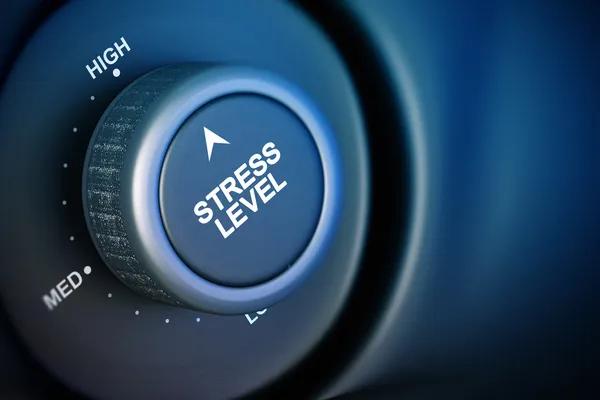
Stress is an inevitable part of modern life, affecting individuals across various age groups and professions. The fast-paced nature of today’s world, coupled with the demands of work, family, and personal responsibilities, often leads to heightened stress levels. However, effective stress management therapy can significantly alleviate these pressures and improve overall well-being.
One practical technique in stress management therapy is mindfulness meditation. This practice encourages individuals to focus on the present moment without judgment. By dedicating a few minutes each day to mindfulness meditation, people can cultivate a sense of calmness and clarity. This technique helps in reducing anxiety by allowing individuals to acknowledge their thoughts and feelings without becoming overwhelmed by them.
Another valuable method is progressive muscle relaxation (PMR). PMR involves systematically tensing and then relaxing different muscle groups in the body. By doing so, individuals become more aware of physical sensations associated with tension and learn how to release it effectively. Regular practice of PMR can lead to reduced physical symptoms of stress such as headaches or muscle pain.
Deep breathing exercises are also integral components of stress management therapy. Often referred to as diaphragmatic breathing or abdominal breathing, this technique focuses on slow, deep breaths that engage the diaphragm rather PCIT Southlake than shallow chest breaths. Deep breathing not only promotes relaxation but also enhances oxygen flow throughout the body, which can help reduce stress hormones like cortisol.
Cognitive-behavioral techniques are widely used in managing daily stressors as well. These involve identifying negative thought patterns that contribute to feelings of stress and replacing them with more positive or realistic ones. Cognitive restructuring allows individuals to challenge irrational beliefs about themselves or their circumstances, thus reducing emotional distress.
Physical activity is another cornerstone of effective stress management therapy. Regular exercise releases endorphins—often called “feel-good” hormones—that naturally elevate mood and decrease tension levels. Whether it’s a brisk walk in nature or an intense workout session at the gym, incorporating physical activity into one’s routine provides both immediate relief from acute stressors and long-term resilience against chronic ones.
Time management skills also play a crucial role in reducing daily stress levels. Learning how to prioritize tasks efficiently prevents overwhelming situations where multiple obligations demand attention simultaneously; this sense of control over one’s schedule diminishes anxiety significantly.
In conclusion (without using those exact words), integrating these practical techniques into daily routines empowers individuals not only cope with existing pressures but thrive amidst them too! With consistent application over time results manifest through improved mental health outcomes alongside enhanced quality living experiences overall making worthwhile investment indeed!