Roofing in Hanover: Common Installation Errors
Roofing installation is a critical aspect of home construction and maintenance, especially in Hanover, where weather conditions can be unpredictable. Proper roofing ensures the safety, durability, and energy efficiency of a building. However, common errors during installation often compromise these benefits, leading to costly repairs and reduced roof lifespan. Understanding these mistakes helps homeowners make informed decisions when hiring contractors or undertaking roofing projects.
One frequent error in Hanover roofing installations involves inadequate flashing application around chimneys, vents, and skylights. Flashing is essential for directing water away from vulnerable areas; improper placement or use of low-quality materials can result in leaks and water damage inside the home. This issue often arises when installers rush through the process or lack experience with local climate challenges that demand robust waterproofing solutions.
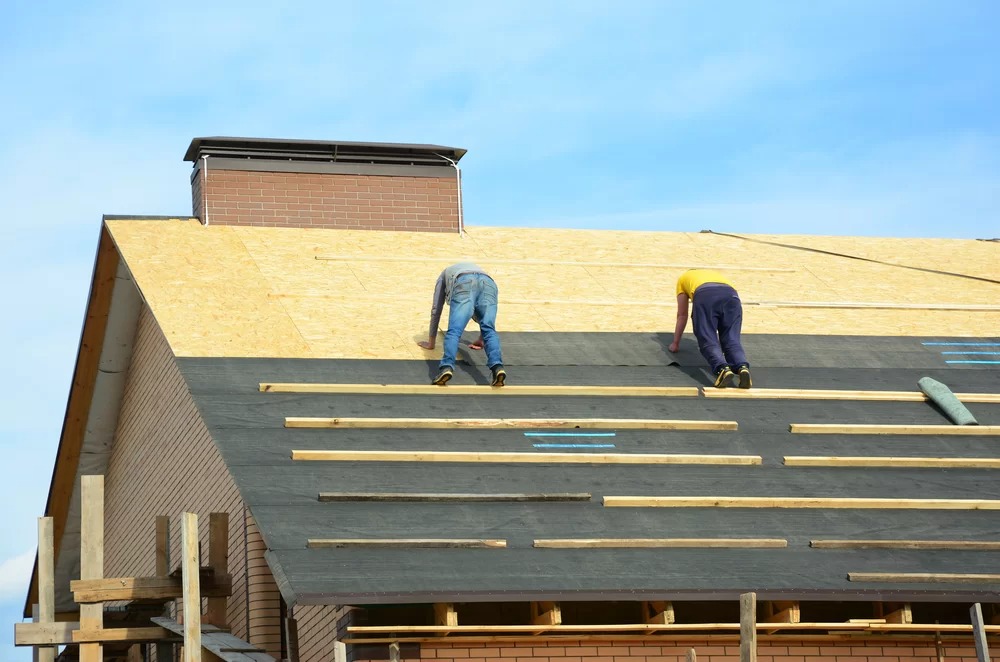
Another widespread mistake is incorrect shingle alignment or nailing techniques. Shingles must be laid out precisely according to manufacturer guidelines to ensure proper overlap and wind resistance. Misaligned shingles create gaps that allow moisture penetration and reduce the roof’s ability to withstand strong winds common in Hanover’s seasonal storms. Additionally, using nails that are too short or placing them incorrectly weakens the attachment of shingles, increasing the risk of blow-offs during storms.
Improper ventilation is also a significant concern in roofing installations here. Ventilation systems regulate temperature and moisture levels within attic spaces; without adequate airflow, heat buildup can accelerate shingle deterioration while trapped moisture promotes mold growth and wood rot beneath the roof deck. Installers sometimes neglect to include sufficient ridge vents or soffit vents tailored for Hanover’s climate conditions, which compromises overall roof performance.
Neglecting underlayment quality poses another challenge frequently seen in local projects. Underlayment acts as an additional barrier against water infiltration beneath shingles but varies widely in material type and thickness. Using substandard underlayment reduces protection during heavy rains typical of this region’s spring months.
Finally, poor gutter integration with roofing systems contributes indirectly to many problems by allowing water accumulation near foundation walls instead of channeling learn all about it safely away from structures.
Avoiding these common errors requires selecting experienced professionals familiar with Hanover’s specific environmental demands alongside adherence to manufacturer instructions throughout every step of installation-starting from inspection through final quality checks-to ensure long-lasting roofs that safeguard homes effectively over time.