Important Considerations Before Choosing HVAC Repair or Replacement
When faced with the decision of whether to repair or replace your HVAC system, several crucial considerations come into play. This choice can significantly impact your home’s comfort, energy efficiency, and financial well-being. Therefore, it’s essential to approach this decision thoughtfully.
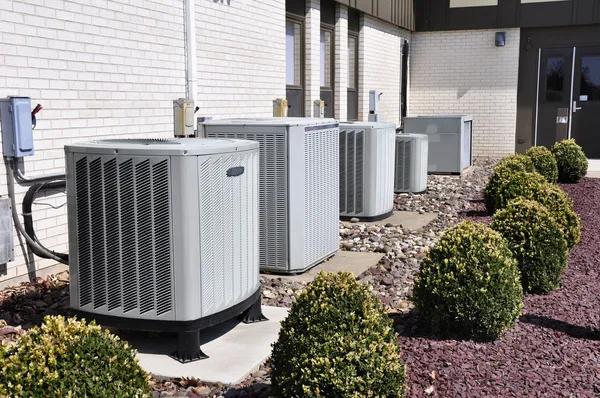
First and foremost, assess the age of your existing HVAC system. Most systems have a lifespan of 10 to 15 years. If yours is nearing or has surpassed this range, replacement might be more cost-effective in the long run. Older units tend to lose efficiency over time and may require frequent repairs that add up financially. Newer models are generally more energy-efficient due to advancements in technology and stricter regulations on energy consumption.
Another key factor is the frequency and cost of recent repairs. If you find yourself frequently calling for repairs or if a major component like the compressor fails, it may be more economical to invest in a new system rather than pouring money into an aging one with no guarantee against future breakdowns.
Energy efficiency is another critical consideration. Newer HVAC systems are designed with improved technology that consumes less energy while providing better climate control within your home. Upgrading can lead to significant savings on utility bills over time, offsetting some of the initial costs associated with purchasing a new unit.
Additionally, consider any changes in your household needs since you installed your current system. Have you added space through renovations or experienced changes in family size? These factors can affect how well-suited your current HVAC setup is for maintaining optimal comfort levels year-round.
Environmental concerns also play a role; newer models often use refrigerants that are less harmful go to the site environment compared to older ones which might still rely on phased-out substances like R-22 Freon.
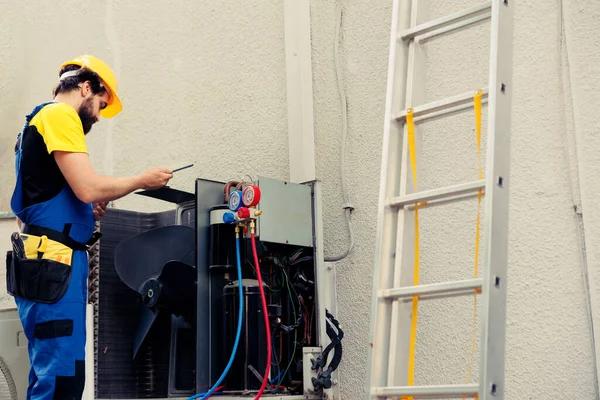
Before making a final decision between repair and replacement, consult with multiple licensed professionals who can provide detailed assessments tailored specifically for your situation. They should offer insights not just about immediate costs but also regarding potential savings from reduced maintenance needs and lower utility bills over time when opting for replacement.
Lastly, consider warranties offered by manufacturers on new units as they provide peace of mind against unexpected failures post-installation—something rarely available when repairing older systems out-of-warranty period ends.
In conclusion: weighing these factors carefully will help ensure you’re making an informed choice about whether repairing or replacing makes sense given both short-term budgets constraints alongside long-term operational efficiencies desired from modern-day heating/cooling solutions available today!