Extending Equipment Life With Better Refrigeration Care
Proper maintenance and care of refrigeration equipment play a crucial role in extending its operational life and ensuring consistent performance. Refrigeration systems are vital in various sectors, including food storage, pharmaceuticals, and industrial processes. Neglecting their upkeep can lead to costly repairs, increased energy consumption, and premature failure. By adopting routine maintenance practices, users can protect their investment while enhancing efficiency.
One of the fundamental aspects of refrigeration care is regular cleaning. Dust, dirt, and debris accumulation on condenser coils significantly reduce heat exchange efficiency. When coils become clogged, the system works harder to maintain desired temperatures, which increases wear on components such as compressors and fans. Cleaning these coils periodically helps maintain optimal airflow and prevents overheating issues that could shorten equipment lifespan.
Monitoring refrigerant levels is equally important for sustaining proper function. Low refrigerant charges often result from leaks or inadequate servicing during installation or repair. Insufficient refrigerant causes the compressor to run longer cycles under strain as it attempts to compensate for reduced cooling capacity. This extra workload accelerates mechanical stress and may cause early breakdowns if not addressed promptly through leak detection and recharge procedures.
Another critical factor is maintaining appropriate temperature settings aligned with specific applications’ requirements. Overcooling leads to unnecessary energy usage while placing additional load on machinery parts; undercooling risks spoilage or compromised product quality depending on what’s stored inside the unit. Consistent temperature monitoring using reliable sensors ensures that the Commercial Refrigeration system operates within safe parameters without excessive strain.
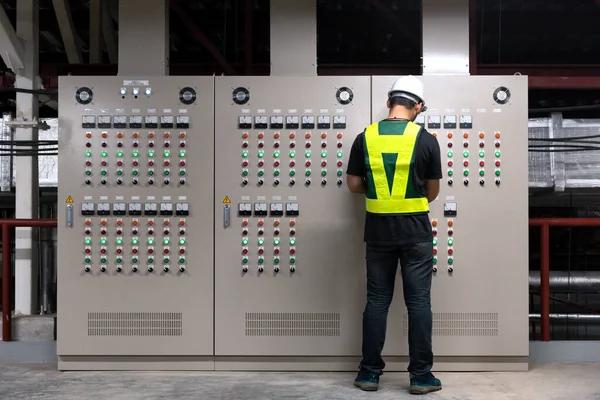
Routine inspection of electrical connections also contributes significantly to equipment longevity. Loose wiring or corroded terminals can create intermittent faults that disrupt normal operation or cause shorts damaging sensitive control boards or motors over time. Periodic tightening of connections combined with visual checks for signs of wear improves reliability by preventing unexpected failures.
Lubrication of moving parts such as fan motors reduces friction-related damage by ensuring smooth operation throughout extended periods between service intervals. Using manufacturer-recommended lubricants avoids contamination issues that might otherwise degrade seals or bearings prematurely.
In addition to technical measures, training personnel responsible for operating refrigeration units enhances overall care standards by promoting proper handling techniques like avoiding frequent door openings which compromise internal temperatures and force compressors into overdrive mode unnecessarily.
Ultimately, extending equipment life through better refrigeration care requires a proactive approach encompassing cleaning routines, refrigerant management, temperature control accuracy, electrical inspections, lubrication schedules, and user education efforts aimed at minimizing operational stresses while maximizing functional reliability over time.