Cost Effective Mini Split Units for Home Renovations
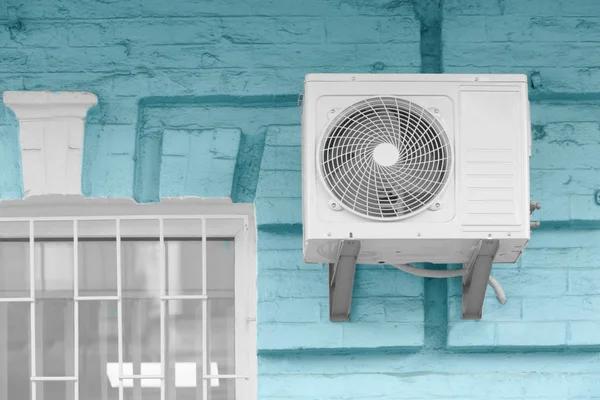
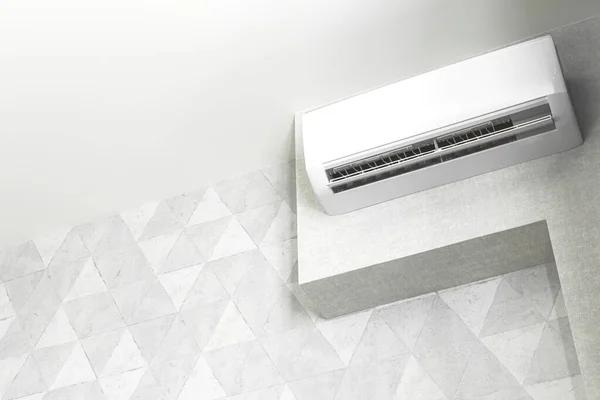
Mini split units have become an increasingly popular choice for homeowners undertaking renovations due to their cost-effectiveness and versatility. These systems offer a practical solution for heating and cooling individual rooms or zones without the need for extensive ductwork, which can be expensive and disruptive during remodeling projects. Unlike traditional central HVAC systems, mini splits consist of an outdoor compressor connected to one or more indoor air-handling units through refrigerant lines, allowing targeted climate control that enhances energy efficiency.
One of the primary advantages of mini split units is their relatively low installation cost compared to conventional ducted systems. Since they do not require ducts, installation involves minimal structural modifications, making them ideal for older homes where adding ductwork might be impractical or costly. This feature also reduces labor time and potential damage to existing walls and ceilings during renovation work. Additionally, many modern mini splits come with inverter technology that adjusts compressor speed based on demand, further reducing electricity consumption and lowering utility bills over time.
Energy efficiency is another key factor contributing to the cost-effectiveness of Mini Split systems in home renovations. By conditioning only occupied spaces rather than the entire house, these units minimize wasted energy while maintaining comfort levels tailored to specific areas. Homeowners can easily control temperature settings independently in different rooms using remote controls or smartphone apps, enhancing convenience without sacrificing performance. Moreover, some models include advanced filtration options that improve indoor air quality by removing dust particles and allergens-an added benefit especially valuable during renovation phases when dust exposure tends to increase.
When considering a mini split unit for a home renovation project, it is essential to evaluate capacity requirements accurately based on room size and insulation quality. Oversized or undersized units may lead to inefficient operation and increased costs over time. Consulting with HVAC professionals ensures proper sizing as well as optimal placement of both indoor heads and outdoor compressors for maximum effectiveness.
Maintenance costs associated with mini splits are generally lower than those linked with traditional HVAC setups because fewer components are involved in operation. Routine cleaning of filters combined with occasional professional servicing keeps these systems running efficiently throughout their lifespan.
In summary, mini split units provide a cost-effective heating and cooling option well-suited for home renovations due to easy installation, energy efficiency benefits, flexible zoning capabilities, and manageable maintenance demands. Their adaptability makes them a smart investment choice that balances upfront expenses against long-term savings while improving overall comfort within renovated living spaces.